High Risk, High Reward: Why US Oil Giants Are Hesitating on Venezuela
1/10/20264 min read
President Donald Trump is preparing to host top US oil executives at the White House on Friday, launching a high-stakes push to lure America’s largest energy companies back into Venezuela. But behind closed doors, industry leaders are signaling deep skepticism about whether the country’s political and economic conditions justify the tens of billions of dollars required to revive its broken oil sector.
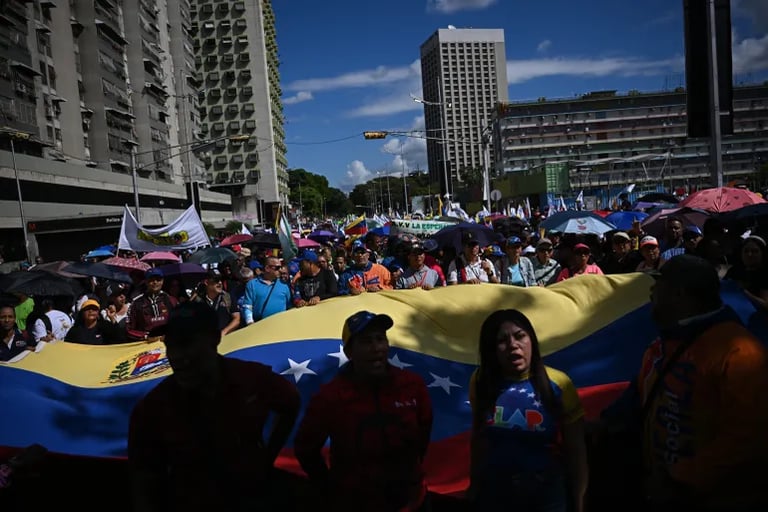
The meeting is part of a weeklong charm offensive by the Trump administration aimed at reopening Venezuela’s vast oil reserves to US firms. Yet executives familiar with the discussions say companies plan to avoid making any firm commitments, citing ongoing instability, weak rule of law, and the absence of a credible long-term strategy from Washington.
“They’re making this up as they go along,” said one industry source involved in preparations for the meeting.
Executives point to Venezuela’s lack of legal and security guarantees as the central barrier to reentry.
The country’s state oil company, PDVSA, has been heavily influenced by the military. Oil facilities have suffered widespread theft and mismanagement. Foreign companies have previously reported kidnappings, asset seizures, and hostility toward international firms.
“There are going to be parameters that must be in place before there’s significant investment,” said Mike Sommers, CEO of the American Petroleum Institute. “First, we have to establish the rule of law.”
Energy Secretary Chris Wright has publicly acknowledged the challenge, saying large-scale investment requires Venezuela to demonstrate credible improvements in governance and security.
Venezuela possesses some of the largest proven oil reserves in the world. Under the right conditions, that could translate into enormous profits for companies willing to invest. But restoring production would require rebuilding pipelines, ports, drilling operations, and power systems, an undertaking estimated to cost more than $10 billion per year over at least a decade.
That timeline raises a critical concern for executives: political risk.
“The United States could be on its 49th president by the time these investments pay off,” one analyst noted. “Venezuela itself would need to remain politically stable for years. That’s a massive gamble.”
A History of Broken Trust
Many major firms including ExxonMobil, ConocoPhillips, Eni and Repsol still carry scars from Venezuela’s 2007 nationalizations, when assets were seized and companies were expelled. Several are still pursuing billions of dollars in compensation claims.
“Exxon is going to remember what happened to it there,” said Ryan Kellogg of the University of Chicago. “At least some of that would need to be repaid. And the money simply isn’t there.”
That legacy has made boardrooms cautious. Executives fear that even if the Trump administration provides guarantees today, future US or Venezuelan governments could reverse course leaving investors exposed.
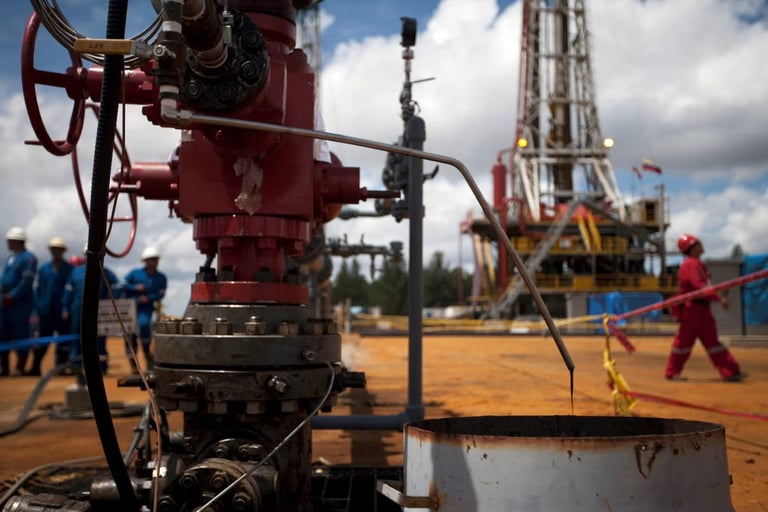
Crude oil drips from a valve at an oil well operated by Venezuela's state oil company PDVSA. (Carlos Garcia Rawlins/Reuters)
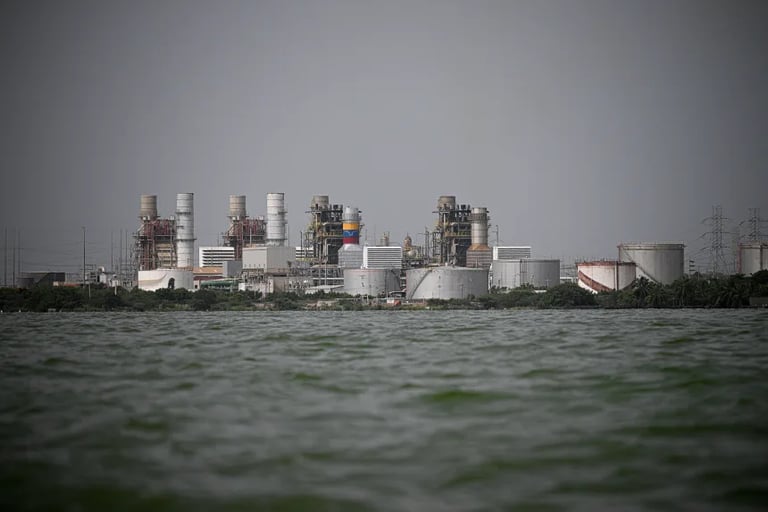
An oil refining plant of PDVSA.(Federico Parra/AFP/Getty Images)
Sanctions, Taxes and Structural Barriers
Beyond security, Venezuela’s business environment remains hostile to foreign investment.
Oil executives have privately indicated they would consider increasing production by hundreds of thousands of barrels per day but only if Washington lifts key sanctions and Caracas reforms its oil laws.
Current regulations require foreign companies to operate through joint ventures with PDVSA, while paying 30% royalties and 60% income tax.
“Venezuela has one of the most unfavorable fiscal regimes in the world,” said Luisa Palacios of Columbia University’s Center on Global Energy Policy. “Not even Chinese companies have been able to operate there effectively.”
Can Washington Offer Guarantees?
The administration has floated the possibility of government-backed financing, political risk insurance, or other financial backstops to encourage investment. But industry leaders say there is little clarity on whether such support will materialize.
“Fiscal terms, guarantees, and backstops will matter enormously,” said energy investor Dan Pickering. “Right now, it’s very unclear what the administration is actually willing to offer.”
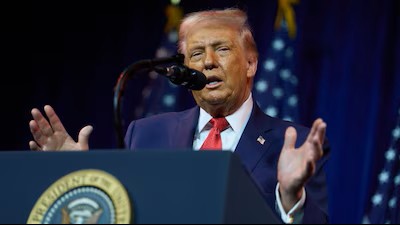
US President Donald Trump (Photo: AP)
Long-Term Potential Still Tempts
Despite the hesitation, few deny Venezuela’s strategic appeal.
“There’s a massive amount of oil there,” Pickering said. “Under the right conditions, companies will come.”
Energy Secretary Wright recently claimed he has been “barraged” with inquiries from firms interested in the opportunity but emphasized that the administration does not intend to pressure companies into risky investments.
The reality, analysts say, is that Venezuela represents both a historic opportunity and a geopolitical minefield.
Until the country demonstrates genuine political stability, legal reform, and credible protection for foreign investors, Big Oil is likely to listen politely in Washington but keep its checkbook closed.
Subscribe to our newsletter
Enjoy exclusive special deals available only to our subscribers.