Oil Prices Jump After Trump Warns Iran’s Supreme Leader Amid Rising Tensions
GEOPOLITICS
2/5/20262 min read
Oil prices surged on Wednesday after U.S. President Donald Trump issued a sharp warning toward Iran’s leadership, saying the country’s supreme leader “should be very worried,” adding fresh geopolitical risk to already tense global energy markets.
U.S. benchmark crude rose $1.93, or just over 3%, closing at $65.14 per barrel, while global benchmark Brent crude climbed $2.13 to settle at $69.46 per barrel, as traders reacted to the possibility of escalating confrontation between Washington and Tehran.
In an interview with NBC News, Trump said negotiations with Iran remain ongoing but warned that consequences could follow if talks fail.
“I would say he should be very worried,” Trump said, referring to Iran’s Supreme Leader Ali Khamenei. “As you know, they’re negotiating with us.”
Despite heated rhetoric, diplomatic channels remain open. Iran’s foreign minister, Abbas Araghchi, confirmed that discussions over Tehran’s nuclear program are scheduled to take place Friday in Muscat, Oman.
The talks reportedly came close to collapsing earlier in the week due to disagreements over format and venue, but regional mediators helped keep negotiations alive.
Investors are now watching whether diplomacy can ease tensions before markets price in further risk.
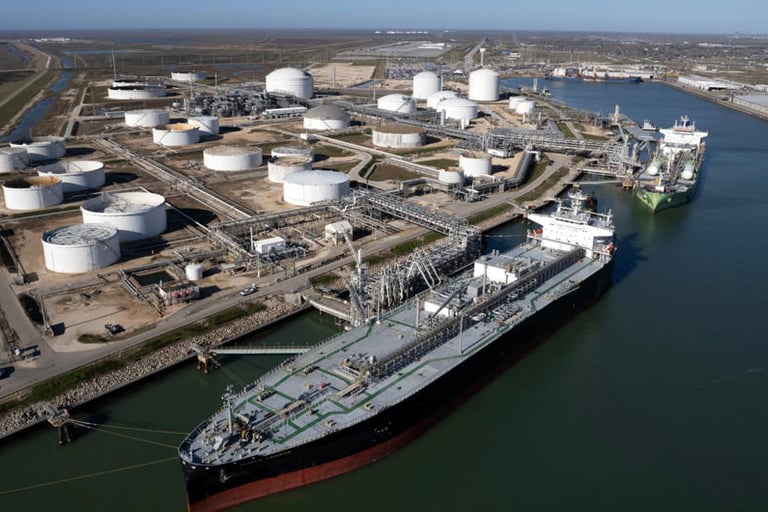
Tankers docked at the Phillips 66 Freeport Terminal in Freeport, Texas, US, on Friday, Jan. 16, 2026.
Markets React to Risk of Conflict
Oil markets are highly sensitive to tensions involving Iran, a key member of OPEC and a significant crude exporter. Any conflict or political instability in the region could disrupt energy supplies flowing through the Middle East, pushing prices higher worldwide.
Traders worry that military confrontation or even prolonged diplomatic breakdown could threaten shipping routes, particularly through the Strait of Hormuz, one of the world’s most critical oil transit corridors.
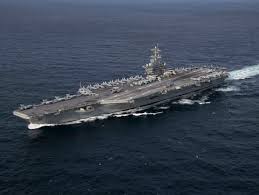
Trump’s comments also followed reports from U.S. Central Command that American forces shot down an Iranian drone approaching the aircraft carrier USS Abraham Lincoln (CVN-72). U.S. officials also accused Iranian gunboats of attempting to interfere with a merchant vessel transiting the Strait of Hormuz.
Iranian state media, however, said the drone was conducting routine surveillance permitted under international law.
Uncertain Road Ahead for Oil Markets
Analysts say oil prices may remain volatile in the coming days as investors weigh competing risks: the possibility of diplomatic progress against fears of escalation.
If negotiations succeed, prices could stabilize or fall. But any breakdown in talks or further military incidents could send crude prices higher again, adding pressure to global inflation and energy costs.
For now, markets remain on edge as Washington and Tehran prepare to return to the negotiating table.